11-Month Inspection in Columbia, SC
Check Your New Home Before Your Builder’s Warranty Deadline
An 11-month inspection helps you document visible concerns in your newly built home before applicable builder warranty coverage expires. After months of daily use, issues may appear that were not noticeable when you first moved in.
At Streamline Inspections, we assess accessible areas and major systems, explain our findings, and provide an easy-to-read report. You can share that information with your builder when requesting a review of items that may qualify for warranty repairs.
16,000+ Inspections Completed | 25+ Years of Experience | 400+ Google Reviews
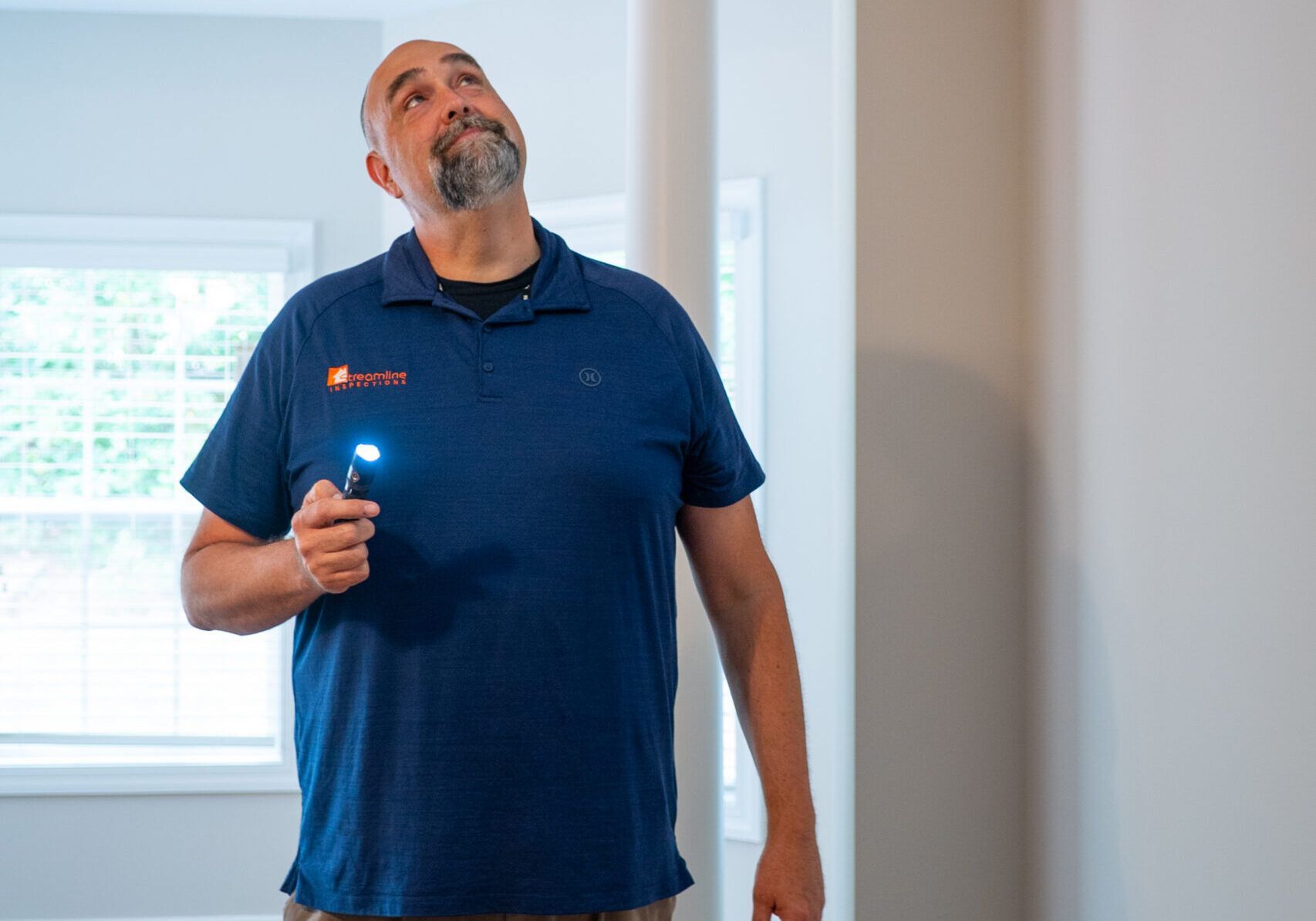
Give Your New Home Another Look
Living in a home puts its systems to work. Plumbing fixtures see regular use, heating and cooling equipment runs through changing weather, and doors and windows open and close repeatedly.
During that first year, you may notice a recurring leak, uneven cooling, or a door that no longer closes properly. Some concerns involve routine adjustments. Others deserve closer evaluation.
Your home inspector documents what they observe in the 11-month inspection and explains which findings may need further attention. This gives you a clearer starting point for conversations with your builder, rather than relying on a general list of things that seem wrong.
Why Schedule an 11-Month Inspection?
- Document Concerns Before a Deadline: A written report records the conditions you observe during the appointment. You can use it when submitting concerns through your builder’s warranty process.
- Assess Areas You May Not Check Yourself: Accessible attic spaces, roof components, and other less familiar areas can provide useful information. Our assessment goes beyond the rooms you use every day.
- Separate Observations From Assumptions: A crack or stain does not explain its own cause. Clear findings help you decide when to monitor, repair, or seek further professional assessment.
- Plan for Homeownership: Not every finding will qualify for warranty coverage. The report can still help you identify maintenance needs and prepare for future work.
What We Review During Your 11-Month Inspection
We assess visible, accessible components within the agreed scope. Access, weather, utilities, and site conditions may limit what we can assess.
Foundation and Structural Components
We review accessible structural areas for visible cracking, deterioration, and other concerns. Some changes may reflect normal material movement, while others require further assessment. We document observations without assuming that every crack means structural failure.
Roof, Attic, and Exterior
We assess accessible roof components, exterior surfaces, and attic areas for observable defects. Moisture staining, damaged materials, and visible installation concerns may warrant attention. We also consider drainage conditions that could direct water toward the home.
Plumbing Fixtures and Visible Piping
We review accessible plumbing components for observed leaks, drainage issues, and operation concerns.
Tell us about intermittent problems, such as moisture that appears only after using a particular fixture, so we can consider that history during the appointment.
Electrical Components
We assess accessible electrical components for visible defects and safety concerns. Findings may involve outlets, switches, panels, or exposed wiring. Conditions that need diagnosis or repair should be reviewed by a qualified electrician.
Heating and Cooling Systems
We assess accessible equipment and observed operation within the inspection scope. Share concerns about temperature differences, unusual sounds, or other performance issues. Some problems may require separate testing or evaluation by an HVAC contractor.
Doors, Windows, and Interior Surfaces
We review accessible doors, windows, walls, and ceilings for observable concerns. We document operation problems, staining, and damaged finishes where present. Your home inspector can explain why a finding may deserve follow-up rather than treating every cosmetic issue as urgent.
How Our Inspection Process Works
1. Confirm Your Warranty Dates: Check your warranty documents for coverage periods and claim submission requirements. Share your deadline when contacting our team.
2. Schedule Your 11-Month Inspection: Provide the property address, home details, and any concerns noticed since moving in. We will discuss appointment availability and preparation.
3. Review and Submit Your Findings: Read the report, ask questions, and send relevant items to your builder through the required process. Keep copies of your submission and any responses.
Prepare for Your Appointment
Before your 11-month inspection, make a short list of recurring concerns. Note when they happen and which rooms or systems are affected. Photos of an intermittent leak or stain can provide helpful context.
Keep access clear around equipment, electrical panels, attic entrances, and other areas the inspector needs to reach. Confirm preparation instructions with our team.
Don't delay reporting an active leak or urgent safety concern while you wait for an appointment. Contact the appropriate professional promptly.
Why Choose Streamline Inspections in South Carolina?
- A Practiced Eye for Property Concerns: Our inspection experience dates back to 1999, helping us assess your home beyond its new finishes.
- Licensed Professionals, Clear Answers: Our inspectors explain observed concerns in language you can understand.
- Knowledge Built Through 16,000+ Inspections: We bring hands-on experience with a wide range of property conditions to your appointment.
- Documentation for Your Builder: Receive an easy-to-read report you can use when submitting concerns for warranty review.
- Support When Questions Come Up: Ask us about a finding or recommended follow-up so you know what to discuss next.
- Feedback From Hundreds of Clients: Read our 400+ Google reviews to learn about other clients’ experiences.
Serving the Midlands of South Carolina
Our service areas are:
Frequently Asked Questions
When should I schedule an 11-month inspection?
The tenth or eleventh month is common, but your warranty terms should guide scheduling. Allow time to receive the report and submit concerns before the applicable claim deadline.
How is this different from a pre-closing inspection?
A pre-closing assessment reviews conditions before you take ownership. This appointment assesses the home after months of occupancy, when daily use and changing weather may have made some issues more noticeable.
Will the builder repair everything in the report?
Not necessarily. Coverage depends on your warranty terms and the builder’s review. The report documents observed conditions; it doesn't determine coverage or guarantee a repair request will be approved.
Should I book if I have not noticed any problems?
Yes, an assessment can still be useful. A home inspector reviews accessible areas and systems you may not regularly examine. The appointment may also provide information to help you plan future maintenance.
Can I book after the first year?
Yes, an assessment can still help you understand the home’s condition. However, some coverage may have expired. Check your documents because different components may have different warranty periods and reporting rules.
When should I schedule the 11-month inspection?
Schedule it for the tenth or eleventh month. Builders often only recognize warranty claims during the first 12 months, so leaving time for repairs is critical.
Book Your 11-Month Inspection
Give yourself time to understand the findings and contact your builder before applicable deadlines. Speak with our team to arrange your appointment.